
Repair or Scrap? Signs It's Time to Let Your Car Go
Every car owner eventually faces the same difficult question: is it worth fixing this problem, or is it finally time to let the car go? It's rarely a simple decision, especially when a vehicle has sentimental value or has been reliable for years. But knowing the warning signs, and understanding how to weigh up the real costs involved, can make the decision far less stressful.
Start With the 50 Percent Rule
A commonly used guideline among mechanics is the 50 percent rule: if the cost of a repair exceeds 50 percent of the car's current market value, it's generally not worth proceeding with the fix. This isn't a hard and fast rule, since a car with strong sentimental value or one that's otherwise in excellent condition might still be worth repairing above that threshold. But as a starting point, it's a useful way to bring some objectivity to what can otherwise feel like an overwhelming decision.
Look at the Pattern, Not Just the Latest Repair
A single expensive repair doesn't necessarily mean it's time to scrap the car, but a pattern of recurring, expensive issues usually does. If you've found yourself back at the mechanic three or four times in the past year for different, unrelated problems, that's often a sign the vehicle's overall reliability has declined to a point where ongoing repairs will simply keep coming, each one chipping away at whatever you might eventually get for the car.
Watch for These Common Warning Signs
- The engine or transmission requires a full rebuild or replacement
- Rust has spread through structural parts of the body or chassis
- The car has failed multiple roadworthy inspections in a row
- You're relying on it less and less due to reliability concerns
- Repair costs are approaching or exceeding the car's resale value
- Parts for your specific make and model are becoming hard to source
Consider the Hidden Costs of Holding On
It's easy to focus only on the cost of the next repair without accounting for everything else involved in keeping an ageing car on the road. Ongoing registration and insurance, increased fuel consumption from a less efficient engine, and the simple inconvenience of unreliable transport all add up over time. When you factor in these hidden costs alongside the direct repair bill, the true cost of holding onto a struggling vehicle is often higher than it first appears.
Think About Safety, Not Just Cost
Cost isn't the only factor worth weighing up. Ageing brakes, worn suspension components, or structural rust can all compromise a vehicle's safety in ways that aren't always obvious during everyday driving. If a mechanic has flagged safety-related concerns during a service or roadworthy inspection, it's worth taking that seriously, even if the repair itself seems manageable financially. No amount of sentimental attachment is worth compromising the safety of you or your passengers.
When Repair Genuinely Makes Sense
None of this means every ageing car should be scrapped. If the vehicle has been well maintained, the required repair is a one-off issue rather than part of a broader pattern, and the car still holds strong resale or sentimental value, repairing it can absolutely be the right call. Classic cars, low-mileage vehicles, and cars with a clean, documented service history often fall into this category, where investing in a repair protects a genuinely valuable asset.
What Scrapping Actually Involves
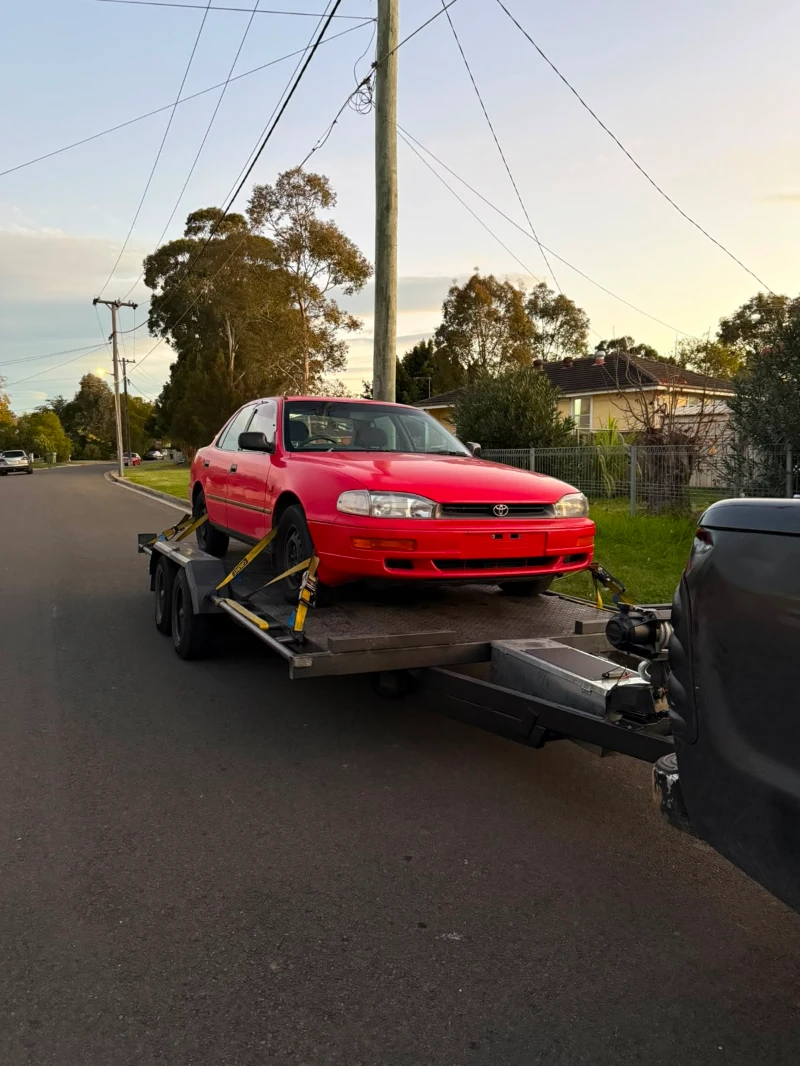
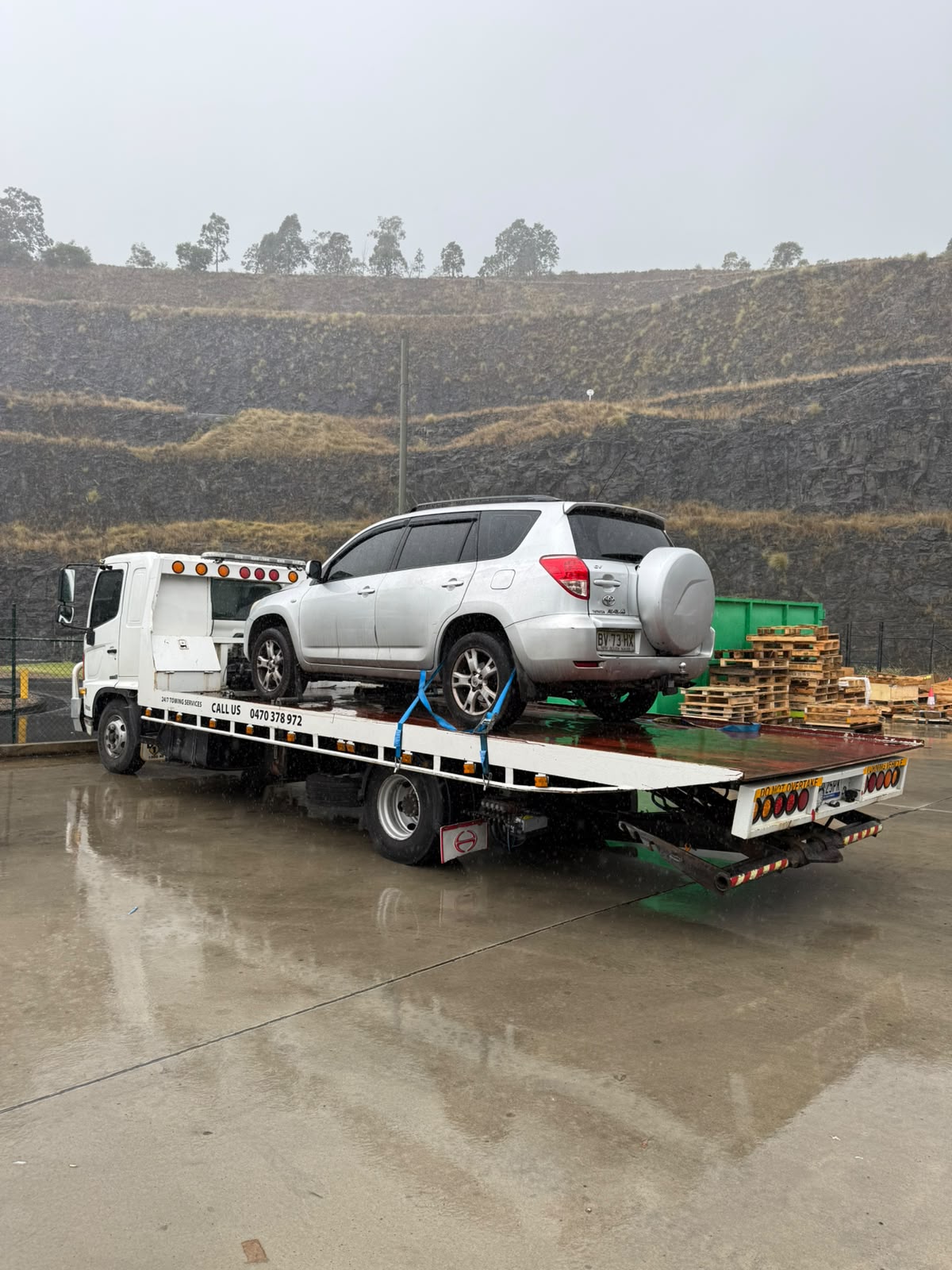
If you do decide it's time to let the car go, scrapping doesn't mean walking away with nothing. Reputable buyers assess even non-running or heavily damaged vehicles for their parts and scrap metal value, meaning you'll still receive a cash payment for a car that would otherwise cost you money to keep registered and insured. The vehicle is then dismantled responsibly, with usable parts salvaged for resale and remaining metal recycled through licensed facilities, rather than left to deteriorate in a driveway or garage.
Making Peace With the Decision
For many people, a car represents more than just transport, it's tied to memories, milestones and years of daily use. It's completely normal to feel some reluctance about letting a long-owned vehicle go, even when the financial and practical case is clear. Give yourself permission to make the decision at your own pace, but don't let sentimentality alone keep an unsafe or increasingly expensive vehicle on the road longer than it should be.
The Bottom Line
Deciding between repair and scrap comes down to weighing the numbers honestly, considering the pattern of issues rather than just the latest one, and being realistic about safety. When the maths, and your gut, both point toward letting go, a straightforward cash sale can turn what feels like a loss into a fresh start.
Frequently Asked Question
Is it ever worth repairing a car worth less than the repair cost?
Occasionally, if the vehicle has strong sentimental or collector value that isn't reflected in its market price.
Can a car that's failed a roadworthy still be sold?
Yes, most buyers purchase vehicles regardless of roadworthy status, factoring the required repairs into the offer.
Does scrapping a car mean it goes to landfill?
No, reputable operators recycle metal and resell usable parts, keeping the vast majority of the vehicle out of landfill.
How do I know if a repair quote is genuinely necessary?
A second opinion from an independent mechanic can help confirm whether a recommended repair is essential or optional.