
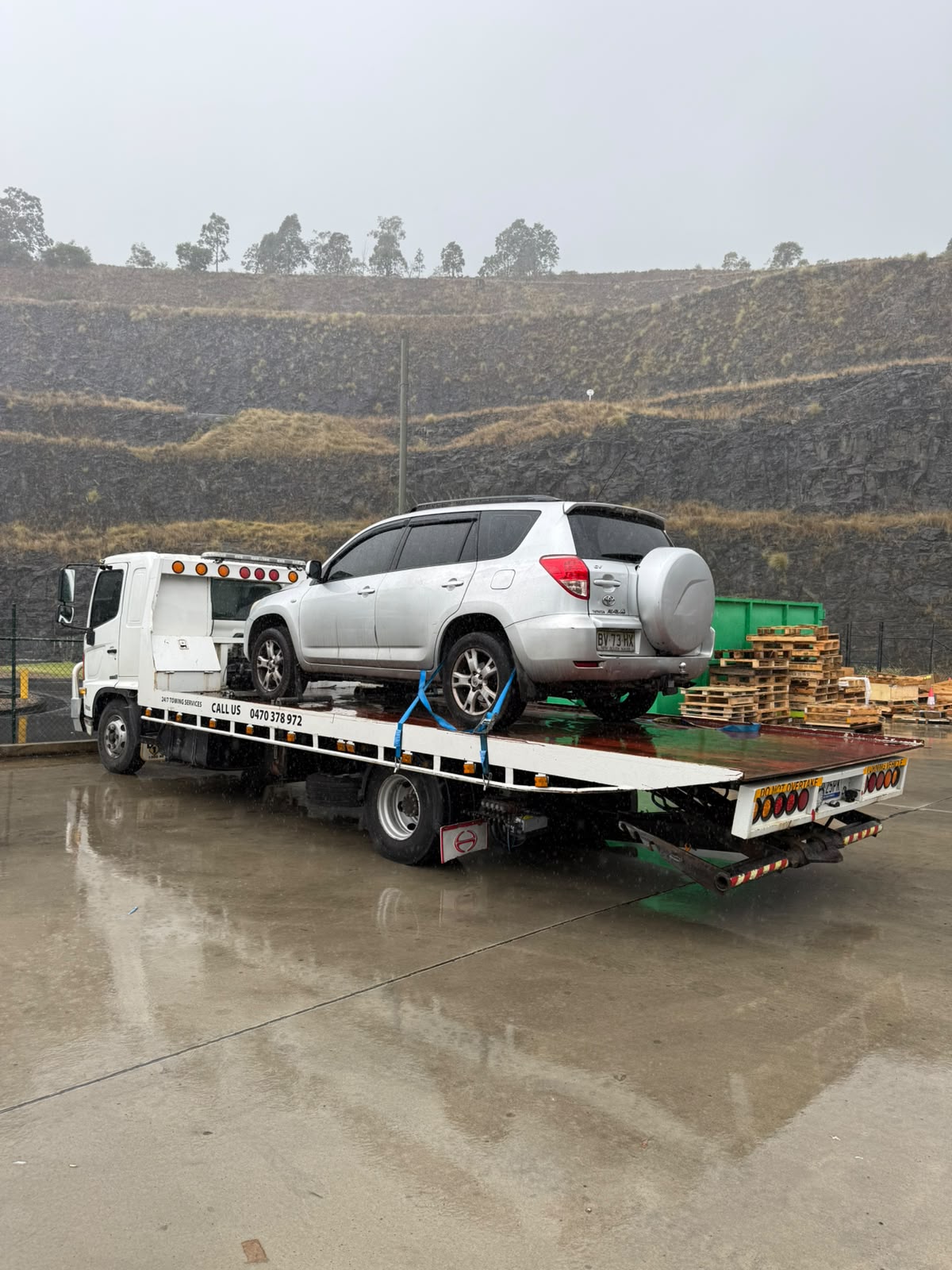
What Really Happens to Your Car After It's Removed
Once a tow truck drives away with your old car, it's easy to assume that's the end of the story. But for most vehicles, being towed away is actually just the beginning of a detailed process involving assessment, dismantling, parts recovery and recycling. Understanding what actually happens can offer some peace of mind, particularly for anyone who feels a bit sentimental about letting an old car go.
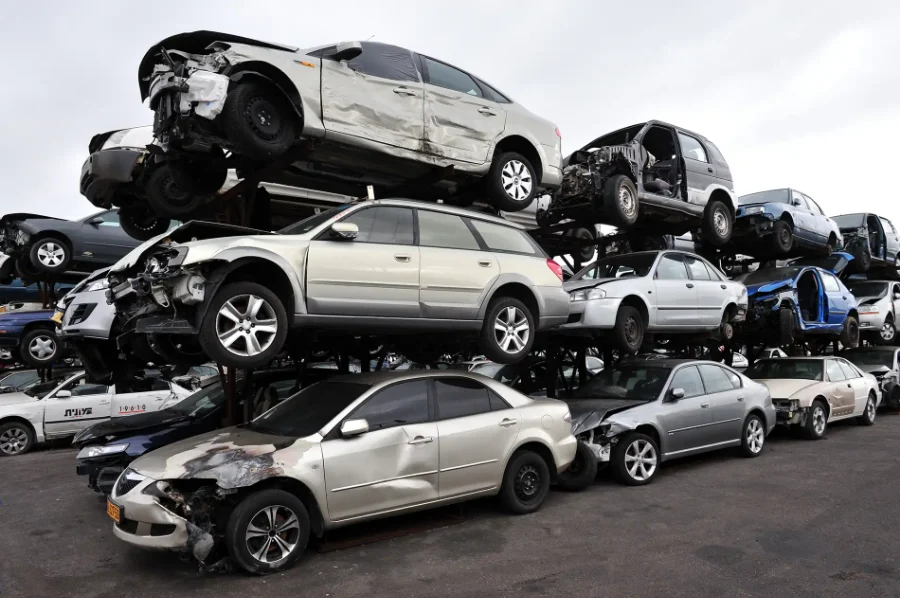
Step One: Assessment and Sorting
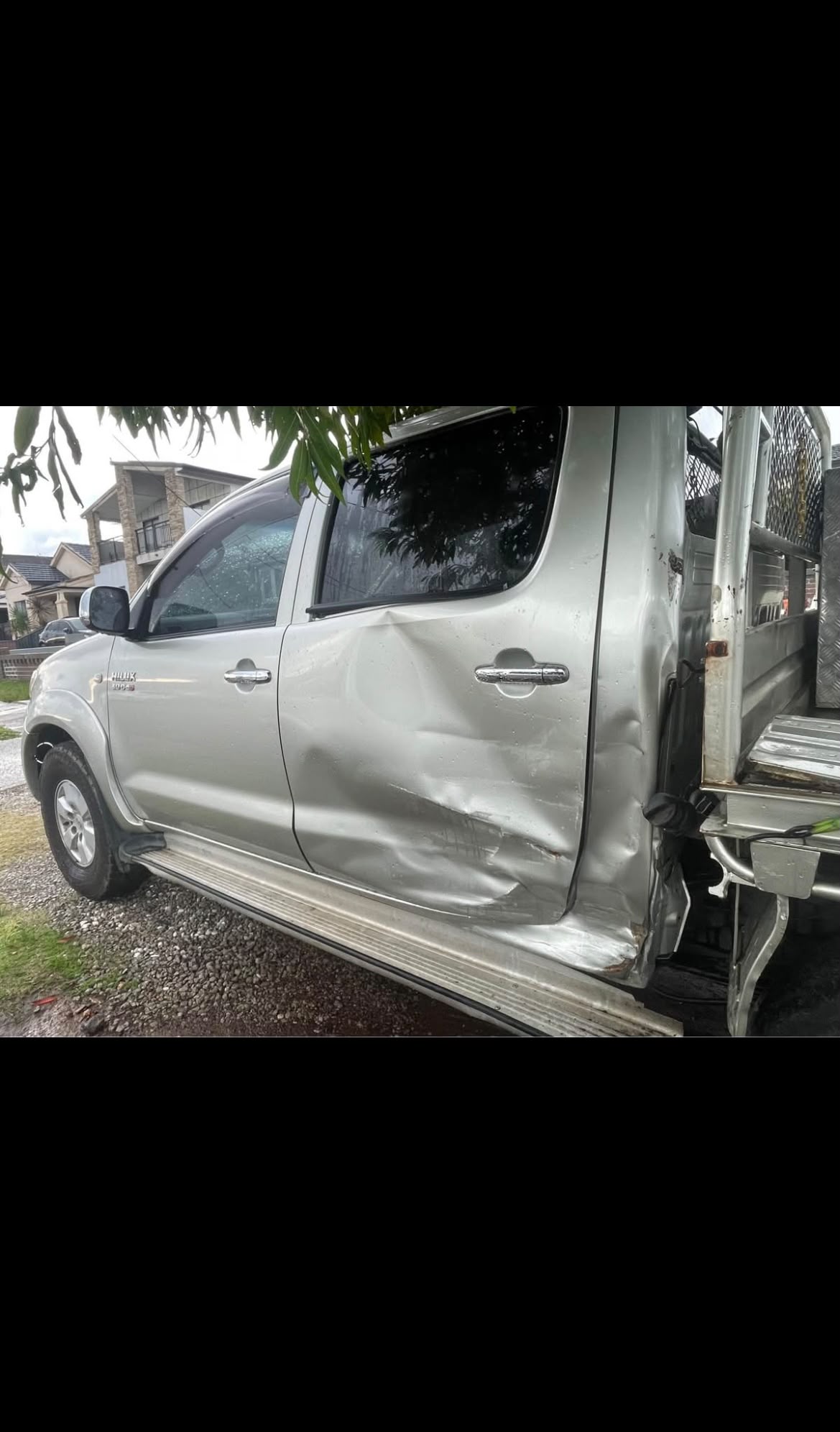
When a vehicle first arrives at a removal or recycling facility, it undergoes an initial assessment to determine the best path forward. Some cars, particularly those still in reasonable mechanical condition, may be resold as working vehicles, either as-is or after minor repairs. Others, especially those that are significantly damaged, extremely old, or no longer roadworthy, are earmarked for dismantling and parts recovery instead. This sorting step ensures that every vehicle is handled in the way that extracts the most value, whether that's as a whole car or as individual components.
Step Two: Fluids Are Drained and Disposed of Safely
Before any dismantling begins, all fluids are carefully drained from the vehicle. This includes engine oil, transmission fluid, coolant, brake fluid, power steering fluid, and fuel. These fluids can be genuinely hazardous to the environment if released into soil or waterways, which is why licensed recyclers follow strict procedures for safe collection, storage and disposal, ensuring nothing harmful ends up where it shouldn't.
Step Three: Reusable Parts Are Removed and Tested
Once fluids have been removed, technicians begin removing parts that still have genuine value, either for resale to other vehicle owners or to repair shops. This typically includes items like alternators, starter motors, wheels, panels, mirrors, seats, and sometimes entire engines or transmissions if they're still in working order. Each part is generally tested or assessed before being added to inventory, ensuring buyers can trust the quality of what they're purchasing. This part of the process is where a huge amount of a vehicle's remaining value gets captured, often more than most people would expect from a car that's otherwise considered scrap.
Step Four: The Remaining Shell Is Prepared for Recycling
After usable parts have been stripped from the vehicle, what remains is largely the metal body shell along with the frame and any non-reusable components. This shell still holds significant value, since steel and aluminium are among the most recycled materials in the world. The shell is typically flattened or crushed to reduce its size for transport, making the recycling process more efficient.
Step Five: Shredding and Metal Separation
The compacted vehicle shell is transported to a specialised recycling facility, where it's shredded into small pieces. From there, powerful magnets and other separation technology sort the shredded material by type, separating ferrous metals like steel from non-ferrous metals like aluminium and copper, as well as removing any remaining non-metal materials like plastic or rubber. This separation process is remarkably efficient, recovering the vast majority of a vehicle's metal content for reuse.
Step Six: Recycled Metal Re-Enters the Supply Chain
The sorted metal is then melted down and formed into new raw material, ready to be used in the manufacturing of new vehicles, appliances, construction materials and countless other products. This is genuinely a closed-loop process, the steel from your old car could realistically end up as part of a brand-new vehicle, a kitchen appliance, or a piece of structural steel in a building, all without needing to mine and process new raw ore.
Why This Process Matters for the Environment
Recycling a car properly avoids several environmental problems at once. It prevents hazardous fluids from contaminating soil and waterways, reduces the demand for newly mined metal ore, and keeps bulky, non-biodegradable materials out of landfill. Given that a single car contains a substantial amount of recoverable steel, aluminium and other materials, proper recycling makes a genuine difference when scaled across the thousands of vehicles reaching the end of their life each year.
Why Choosing a Licensed Operator Matters
Not every business that offers to take an old car away follows these responsible processes. Unlicensed operators may skip proper fluid disposal, dump non-recyclable waste illegally, or fail to follow correct procedures for cancelling a vehicle's registration, potentially leaving the previous owner exposed to ongoing liability. Choosing a licensed, reputable car removal service ensures your vehicle is handled correctly at every step, protecting both the environment and your own peace of mind.
The Bottom Line
Far from simply disappearing, your old car goes through a genuinely thorough process once it's removed, one that recovers usable parts, recycles valuable metals, and disposes of hazardous materials responsibly. Knowing this can make the decision to finally sell an old, unused vehicle feel a little easier, it's not just clearing space in your driveway, it's giving your car a proper, sustainable send-off.
Frequently Asked Question
Does my car definitely get crushed straight away?
Not necessarily, vehicles in reasonable condition are often resold as working cars before crushing is ever considered.
What happens to the fuel left in my tank?
It's safely drained and either reused or disposed of through licensed hazardous waste channels.
Is any part of a recycled car wasted?
Very little. Modern recycling processes recover the vast majority of a vehicle's material for reuse.
How can I make sure my car is recycled responsibly?
Choose a licensed operator who can clearly explain their recycling and disposal process before you agree to sell.