
How to Get the Most Cash for Your Old Car in Sydney
Selling an old car doesn't have to mean settling for whatever number the first buyer throws at you. Whether your vehicle is still running well or hasn't started in years, there are practical steps every Sydney car owner can take to make sure they're getting a genuinely fair price, rather than leaving money on the table. Here's what actually influences your car's value, and how to make the most of it.
How to Get the Most Cash for Your Old Car in Sydney
Before you can negotiate a better price, it helps to understand how buyers actually arrive at a number. Cash for car buyers typically weigh up a combination of factors: the vehicle's make and model, its age and odometer reading, its overall mechanical and cosmetic condition, and the current demand for its specific parts. Scrap metal pricing also plays a role for older or heavily damaged vehicles, since even a car with no resale value as a whole vehicle can still be worth something for its steel, aluminium and reusable components.
Two cars of the same make and model can receive quite different offers depending on these factors, which is why a generic online estimate is rarely accurate. The best way to understand your car's real value is to get an individual assessment from a buyer who takes the time to consider your specific vehicle.
Two cars of the same make and model can receive quite different offers depending on these factors, which is why a generic online estimate is rarely accurate. The best way to understand your car's real value is to get an individual assessment from a buyer who takes the time to consider your specific vehicle.
Gather Your Paperwork Before You Call
Having your registration papers, service history and any relevant documentation ready before you contact a buyer can speed up the process considerably and often results in a smoother, more confident transaction. If you've lost your paperwork, don't worry, most reputable buyers can still proceed with proof of identity and basic ownership confirmation, but having documents on hand rarely hurts.
Be Honest About Your Car's Condition
It might be tempting to downplay damage or mechanical issues to secure a higher initial quote, but this approach usually backfires. Most buyers will physically inspect the vehicle before finalising payment, and if the car doesn't match what was described, the price is likely to change, sometimes for the worse. Being upfront about dents, mechanical faults, or a lapsed registration from the outset means the quote you receive is the price you'll actually be paid.
Compare Multiple Offers Before Committing
Just as you wouldn't accept the first quote on a home renovation without checking a couple of alternatives, it's worth getting more than one quote for your car. Reputable buyers offer free, obligation-free quotes, so there's no cost or commitment involved in comparing your options. Pay attention not just to the dollar figure, but also to what's included, free towing, same-day payment and no hidden fees can make a lower headline number actually work out better once everything is accounted for.
Time Your Sale Wisely
Cars generally lose value the longer they sit unused, particularly once new mechanical issues start to develop from lack of use, such as flat batteries, seized brakes or perished tyres. If you've been putting off selling an old vehicle, waiting rarely improves your negotiating position. Selling sooner, while the car is still in relatively stable condition, usually results in a better outcome than waiting for a breakdown to force the decision.
Consider What "Convenience" Is Actually Worth
A private sale might occasionally fetch a marginally higher price than selling to a dedicated buyer, but it comes with real costs that are easy to overlook: advertising fees, the time spent fielding calls and arranging inspections, and the risk of a buyer falling through at the last minute. When you factor in the certainty of a same-day sale, free towing and immediate payment, selling to a specialist car buyer is often the better overall outcome, even if the headline number is slightly lower than a best-case private sale.
Don't Overlook Non-Running Vehicles
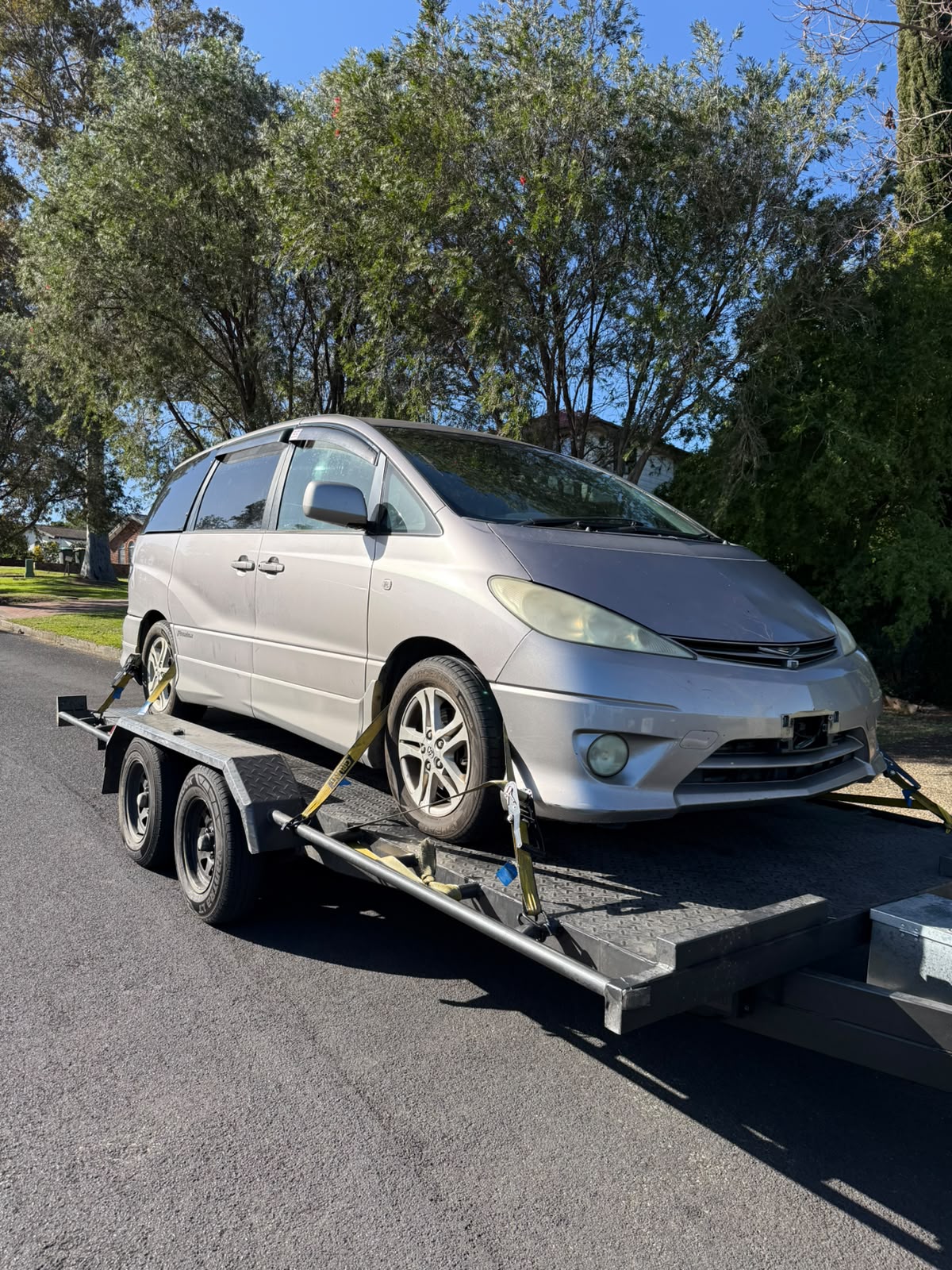
A common misconception is that a car needs to be in working order to have any value. In reality, non-running vehicles are regularly bought for their parts and scrap metal content, and the offer can still be substantial depending on the make, model and condition of individual components. Don't assume a car that won't start is worthless, get it properly assessed before writing it off entirely.
Watch Out for Common Pricing Traps
Not every buyer operates with the same level of honesty. Some quote an attractive price over the phone only to drop it significantly once they arrive and inspect the vehicle, banking on the fact that most sellers won't want to go through the hassle of finding another buyer at that point. Choosing a buyer with a reputation for transparent, consistent pricing avoids this problem entirely. If a quote seems too good to be true compared to others you've received, it's worth asking exactly how that figure was calculated.
The Bottom Line
Getting the most cash for your old car in Sydney comes down to understanding what genuinely affects its value, being upfront about its condition, and taking the time to compare offers rather than accepting the first number you hear. With a bit of preparation, most sellers find the process is far quicker and more rewarding than they initially expected.
Frequently Asked Question
Does my car need to be clean before getting a quote?
No, cleanliness doesn't significantly affect a cash offer, though it's always fine to tidy up if you'd like.
Will a lapsed registration lower my offer significantly?
Registration status has minimal impact on price, since most buyers assess the vehicle itself rather than its paperwork status.
Is it worth repairing minor issues before selling?
Generally no, unless the repair is very cheap and clearly increases value by more than its cost. Most buyers factor existing issues into the price anyway.
How many quotes should I get before deciding?
Two or three is usually enough to get a clear sense of fair market value without spending too much time on the process.